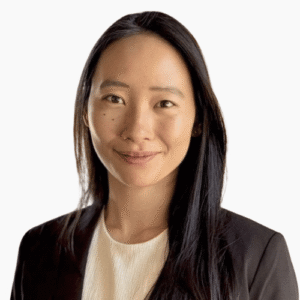
Sophia Shi
Principal Investigator Rowland Institute, Harvard University
Sophia is a Principal Investigator at the Rowland Institute at Harvard University. She received her B.A. in Chemistry and Biology from Cornell University, where she conducted research at the chemistry-biology interface and developed a deep interest in interdisciplinary problem-solving for human health. She earned her Ph.D. in Chemistry from Stanford University and launched her independent laboratory at Harvard in fall 2025. Her lab’s research investigates fundamental roles for glycans in the brain, uncovering how these complex sugar molecules regulate brain barrier function and can be harnessed to improve brain health in aging and disease.
Seminars
Wednesday 2nd December 2026
Engineering Glycan Targeting Strategies to Enable Non-Invasive Transport Across the Blood Brain Barrier
12:00 pm
- Introduce the cerebrovascular glycocalyx as a previously underexplored interface regulating blood–brain barrier transport and a novel target for therapeutic delivery
- Describe the design of mucin-binding protein shuttles that exploit glycosylated structures at the BBB to enable transcytosis of antibodies and biologics into the brain
- Evaluate how glycan-targeted delivery platforms compare with conventional systemic and invasive approaches in achieving efficient brain-wide biodistribution across multiple CNS cell types
- Discuss translational implications of leveraging endogenous BBB transport biology to improve delivery of large-molecule therapeutics for neurodegenerative disease and other CNS indications
Thursday 3rd December 2026
Panel Discussion: Beyond TfR1: Evaluating Next‑Generation BBB Receptors for Systemic Biologic Delivery to the Brain
9:30 am
- Which alternative BBB receptors (e.g. CD98hc, insulin receptor, LRP1, basigin) show the most promise beyond TfR1 for achieving sufficient brain uptake without compromizing safety or peripheral PK?
- How can we optimize receptor affinity, valency, and trafficking profiles to balance efficient transcytosis with minimal lysosomal degradation or target-mediated clearance?
- What preclinical models and translational biomarkers are most predictive for comparing receptor performance and de-risking clinical success across different shuttle platforms?
- How should developers prioritize receptor selection based on modality (e.g. antibodies, enzymes, oligonucleotides) and indication-specific needs for brain distribution and cellular targeting